

A couple of weeks ago, Musk announced that SpaceX will ‘retire’ Falcon 9 once Starship is up and running. Plainly put, they’re planning to kill their own cash cow, and the closest thing the West has to a de-facto workhorse for access to space. No wonder it has attracted criticism, often from panicking satellite operators who depend on the Falcon 9 and are now hearing SpaceX may stop taking orders for Falcon 9 launches past 2028.
Musk has said "it makes sense to shift super scarce SpaceX engineering and production resources to Starship to get launch rate to several times per day, which means winding down Falcon."
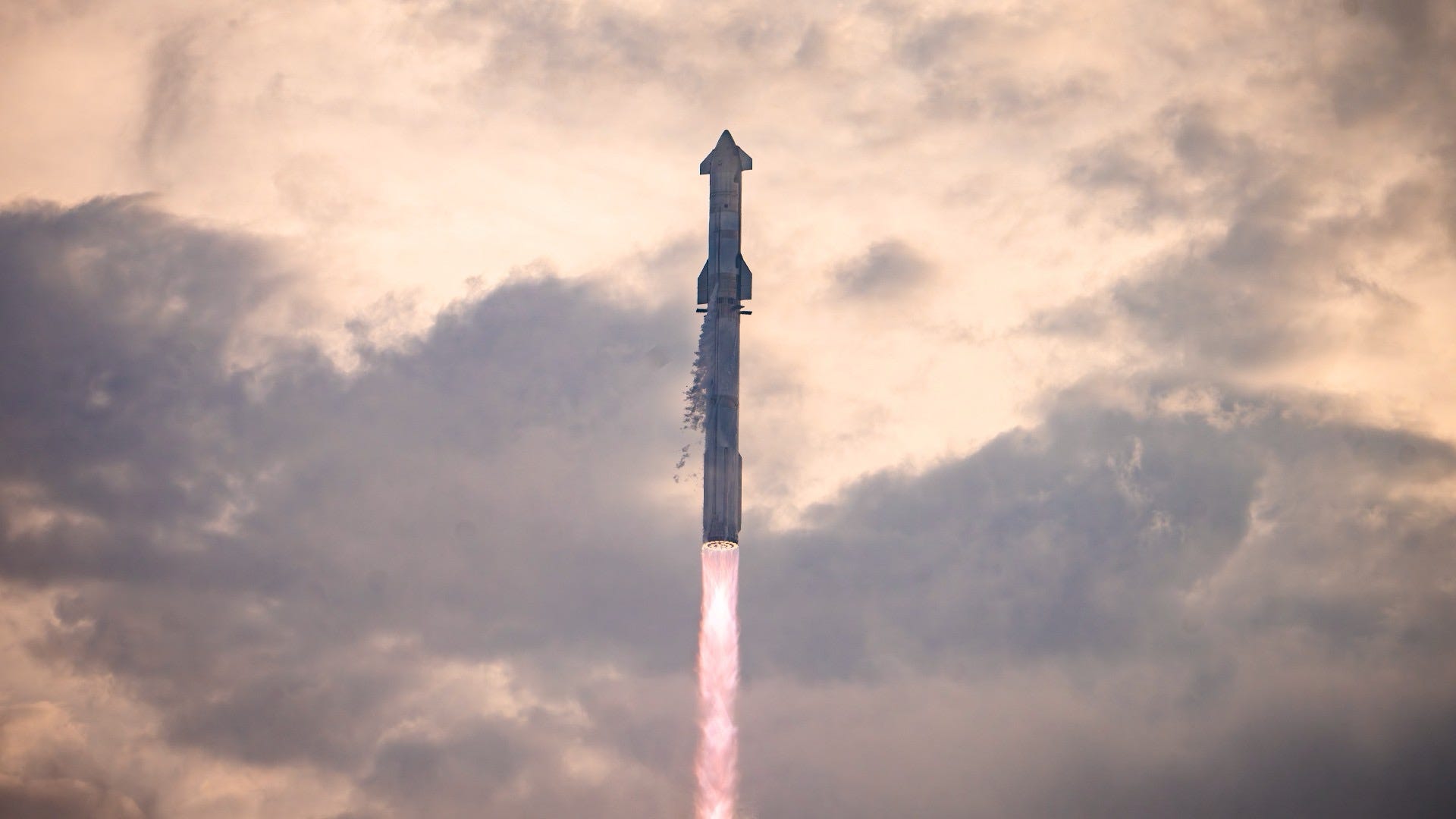
It may create temporary bottlenecks for access to space for companies who have relied on the Falcon 9. But the bet is an indication of SpaceX’s confidence in Starship’s maturity, and more importantly about focus.
Sequencing, not sacrifice
SpaceX isn’t walking away from the cash cow that is Falcon 9. They’re sequencing it to unlock even more capacity to orbit.
That’s sequencing discipline. SpaceX has more resources than almost anyone else in the launch sector, and still won’t run two flagship programs at once. A lot of business leaders and founders I talk to refuse to choose and sequence their growth.
Over the years, I’ve seen so much of this (and done it too) that I’ve given it a name. I call it the Focus Debt.
You won’t pay it today, you finance it by focusing on too many things at once. The interest shows up as wasted spend, confused and lukewarm customers, a team that’s matured nothing properly - you get the idea.
Here are three examples from just last month, in conversations with three very different businesses - one pre-seed with no revenue, one at seed with a small amount of revenue, and one bootstrapped with an existing product line already growing and adding meaningful recurring revenue.
The pre-seed company hadn’t worked out which segment actually is the best-fit for their technology, so were pursuing all three at once, with no way to tell which one was working.
The seed-stage founder could see two directions starting to work, and couldn’t let go of either.
The bootstrapped company already had a recurring-revenue generating product with growing demand, and kept saying yes to new products. Every time a customer asked “can you do X”, the answer was yes, because they didn’t want to leave money on the table.
The first two look like indecision - easy to spot, easy to judge. The third looks like traction, or even ambition. It’s the same constraint wearing a different costume: they’re not focusing on taking anything to its logical endgame yet. All three were opening new fronts before the first one was proven.
What it costs
For the first two, the cost shows up quickly: money and time chasing markets and prospects that were never going to close, plus something underneath it that quietly bleeds - customers and partners who can’t tell what the company actually does. Clarity is a differentiator on its own. Ambiguity doesn’t translate as flexibility to a buyer; it’s risk.
For the third, the cost hasn’t shown up yet - at least not directly. That’s what makes it dangerous. The trajectory is a small team maturing nothing properly, several half-finished product lines that do okay-ish instead of a single cash cow that could strengthen their moat, and eventually not enough resource left to finish any of them well. Recurring revenue today buys a false sense of security about tomorrow, not immunity from the accrued focus debt.
None of this is about stage or size. Pre-seed, seed, bootstrapped to Series C, IPO’d - doesn’t matter. It’s about whether a company is willing to run the sequence: find fit, prove it, mature and scale as far as it can go, before building the next thing.
Focus.
If you had to drop every segment or product line except one (or two) tomorrow, which would you keep?
One more thing before you go
Most commercialisation problems get diagnosed as a sales problem when they’re not, and that misdiagnosis is usually the first form of focus debt. I’ve built the Commercialisation Readiness Check for it to provide one clear answer on what’s blocking you. Here it is - takes less than five minutes and costs nothing.
More next month.